The Advocate, The Scholar,
The Educator
A practising advocate who treats every brief as a research problem first — grounding courtroom strategy in evidence, procedure, and precedent rather than persuasion alone.
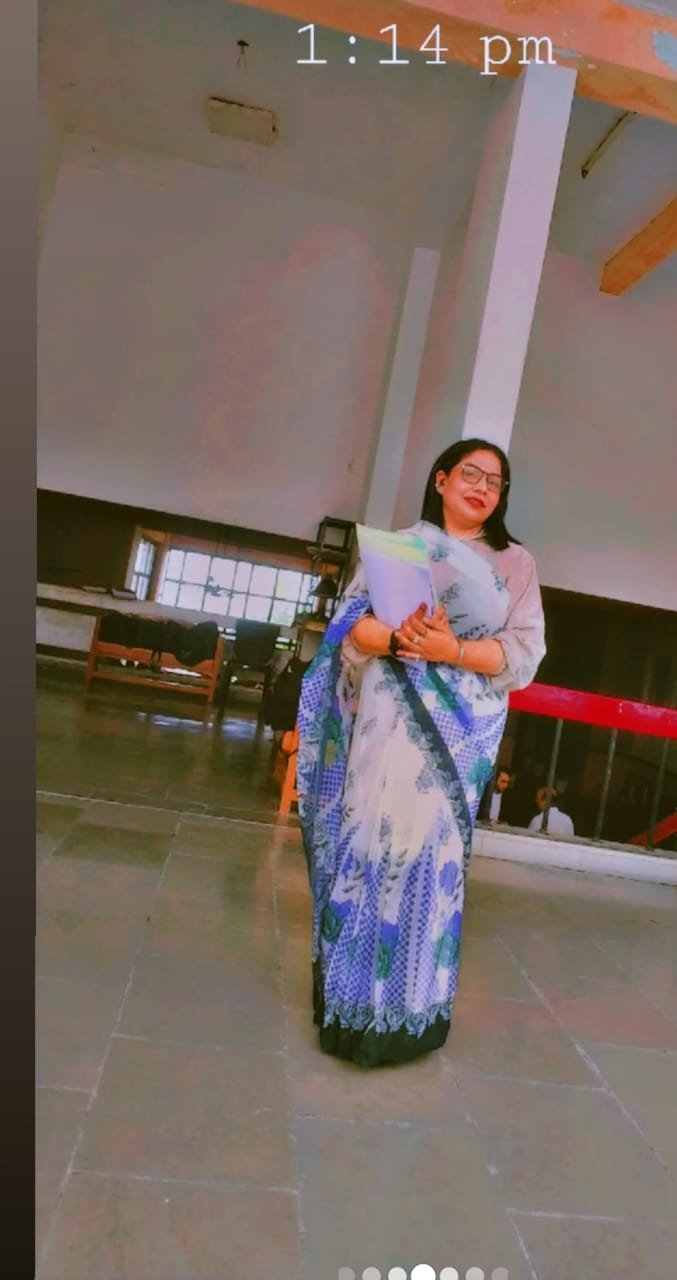
Building a Practice on Evidence, Not Assumptions
I am a practising advocate based in Jammu, appearing before Courts, Tribunals, and Quasi-Judicial Authorities across Jammu & Kashmir. My work spans civil, criminal, and family law litigation, along with constitutional matters, NDPS, POCSO, UAPA, and cyber crime cases — but the thread running through all of it is the same: a case is only as strong as the evidence and procedure behind it.
That conviction comes from where I started. Before I argued a single matter in court, I was trained to interrogate facts — to ask not just what happened, but how it can be proven. That habit of mind now shapes every stage of my practice, from the first client consultation to the final argument.
Alongside litigation, I am a Ph.D. Scholar in Law, a Legal Researcher, and a Guest Lecturer — roles that keep my courtroom work anchored in current legal scholarship rather than routine practice.
From the Classroom to the Courtroom
Each stage of this path added a different lens — legal foundation, advanced specialisation, courtroom practice, and now, original research.
B.A. LL.B.
Completed an integrated law degree, building a grounding across constitutional, civil, and criminal law along with the procedural codes that govern litigation in India.
LL.M.
Pursued a Master of Laws to deepen expertise in areas that would come to define my practice — criminal law, evidence, and the intersection of law with forensic and behavioural sciences.
Enrolled as a Practising Advocate
Began appearing before District Courts and the High Court of Jammu & Kashmir, taking on civil, criminal, and family law matters and building a client-first, research-backed approach to advocacy.
Ph.D. Scholar in Law
Began doctoral research on the admissibility of medical and forensic evidence in criminal trials — work that now directly informs how I build and argue cases involving scientific and digital evidence.
Guest Lecturer & Legal Trainer
Began delivering lectures, seminars, and workshops on Constitutional Law, Criminal Law, Cyber Law, and Evidence Law — sharing the same rigour I bring to the courtroom with the next generation of law students.
A case is won long before it is argued — in the facts you gather, the evidence you test, and the strategy you build before you ever walk into court.
Evidence First
Every matter begins with a rigorous review of documents and facts, not assumptions — a habit carried over directly from doctoral research on forensic evidence.
Plain-Language Counsel
Clients are walked through what is being filed, why, and what to expect — legal strategy explained in terms that make sense outside a courtroom.
Resolution Before Escalation
As a trained mediator, negotiation and alternative dispute resolution are considered wherever they can serve the client better than prolonged litigation.
Where My Academic Work Meets My Courtroom Practice
My doctoral research examines the admissibility of medical and forensic evidence in criminal trials — a subject that sits directly at the intersection of law, science, and procedure. It shapes how I approach every case that touches on scientific, medical, or digital evidence.
Forensic & Medical Evidence
Admissibility standards, chain of custody, and expert testimony in criminal trials.
Scientific Policing
How investigative science translates into evidence that holds up in court.
Digital & Cyber Evidence
Standards for handling and presenting digital evidence in fraud and cyber crime matters.
Criminal Justice Reform
Policy-facing research aimed at strengthening how evidence is treated within India's justice system.
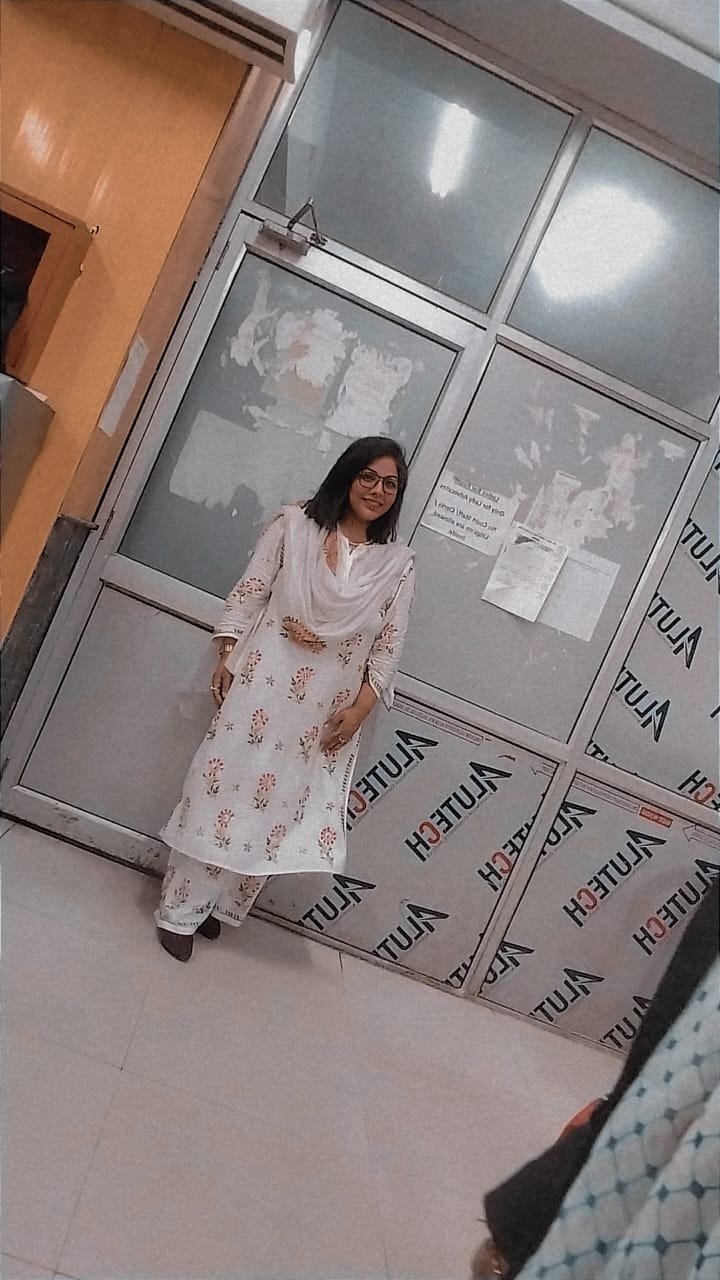
Teaching, Training & Speaking
Passing on the same rigour applied to litigation — to students, professionals, and the wider legal community.
Guest Lecturer
Delivers sessions on Constitutional, Criminal, and Evidence Law at academic institutions.
Legal Trainer
Conducts workshops on Cyber Law and forensic evidence for students and practitioners.
Speaker
Speaks at seminars on forensic science, scientific policing, and behavioural sciences in law.
Legal Researcher
Contributes to research and policy discussions on strengthening India's justice delivery system.